REVIEW · ALANYA
Alanya: Aspendos, Manavgat Waterfalls and City of Side Tour
Book on GetYourGuide →Operated by TOURMANIA · Bookable on GetYourGuide
Aspendos makes time feel loud. This Alanya day trip strings together three very different highlights: the Aspendos amphitheater, the seaside ruins of Side, and the cool stop at Manavgat Waterfalls. It’s the kind of route that helps you connect Roman engineering, Greek mythology, and real river scenery in one smooth day.
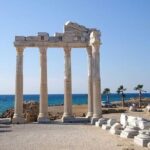
I also love how the tour is guided in a way that makes the stones feel purposeful, not just old. After lunch in Side, you’ll stand by the Temple of Apollo, set right by the harbor, and it’s easy to see why it’s the star sight. The one real drawback: it’s a long day under strong sun, and you’ll do plenty of walking on uneven ancient ground, so plan for heat, wear solid shoes, and bring water.
In This Review
- Key highlights worth your attention
- Setting the stage: why Aspendos is more than a stop
- Entering Aspendos: Roman theater, built to be heard
- The Side connection after lunch: temples, harbors, and Roman streets
- Why the Apollo Temple works so well for first-timers
- What else you’ll see in Side (and how to not rush it)
- Manavgat Waterfalls: the cool-air reset on the return trip
- Lunch and pacing: how an 8-hour day feels in practice
- Price and value: what $40 really buys you
- Tour style: private group, English guide, and one language reality check
- What to bring so the day stays comfortable
- Who should book this tour
- Should you book the Alanya: Aspendos, Manavgat Waterfalls and Side Tour?
- FAQ
- How long is the tour?
- What does the price include?
- Are entrance fees included for Aspendos and Manavgat Waterfalls?
- What about drinks during the tour?
- Where is the hotel pick-up available?
- What language is the tour guide?
Key highlights worth your attention
- Aspendos amphitheater in real use: a 2,000-year-old showplace that still hosts large-scale performances
- Side’s sea-front Temple of Apollo: a dramatic setting on the coast of the ancient harbor
- Side beyond the postcard views: you’ll see key Roman features like a columned road and the site’s amphitheater
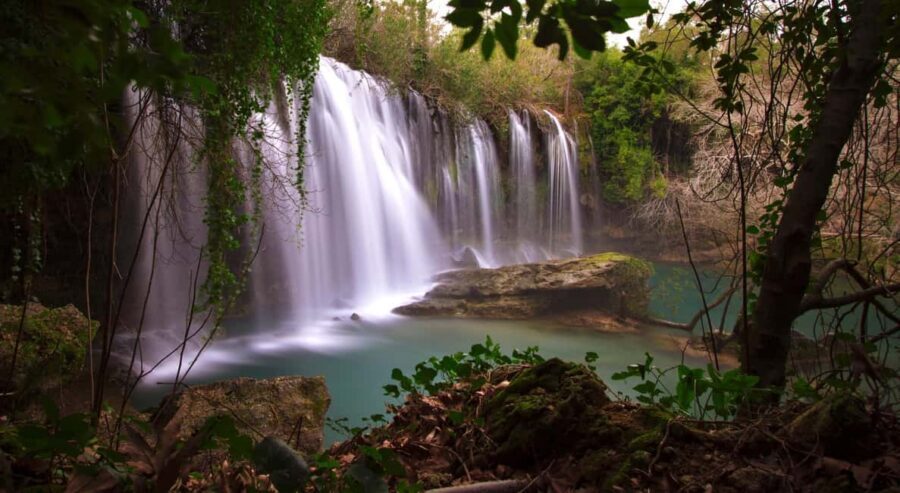
- Manavgat Waterfalls for a reset: fresh air, pine forests, and a river scene with trout and turtles
- Guides who explain the why: history comes with context, not just facts
- Skip the ticket line: you lose less time and get more viewing time
Setting the stage: why Aspendos is more than a stop
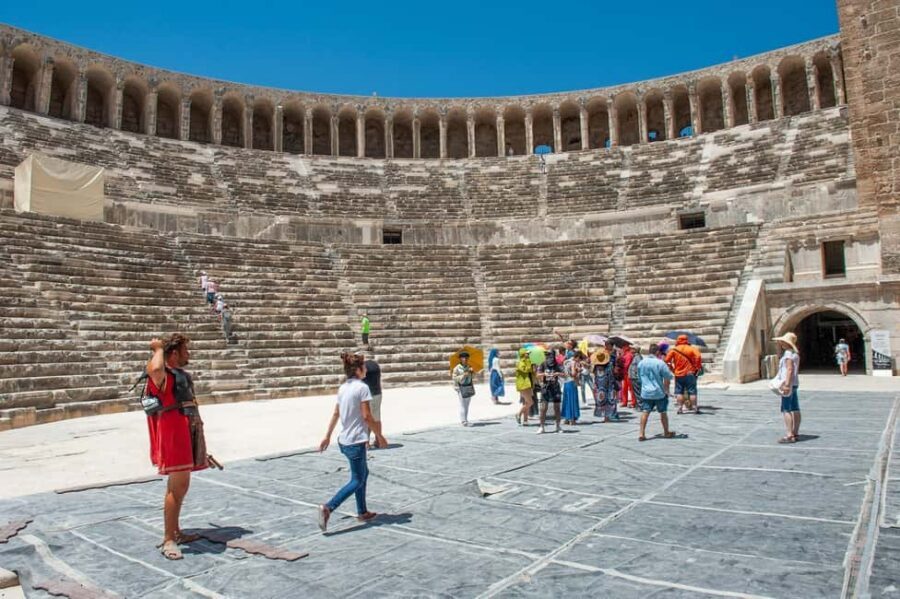
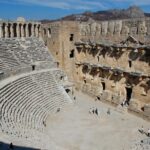
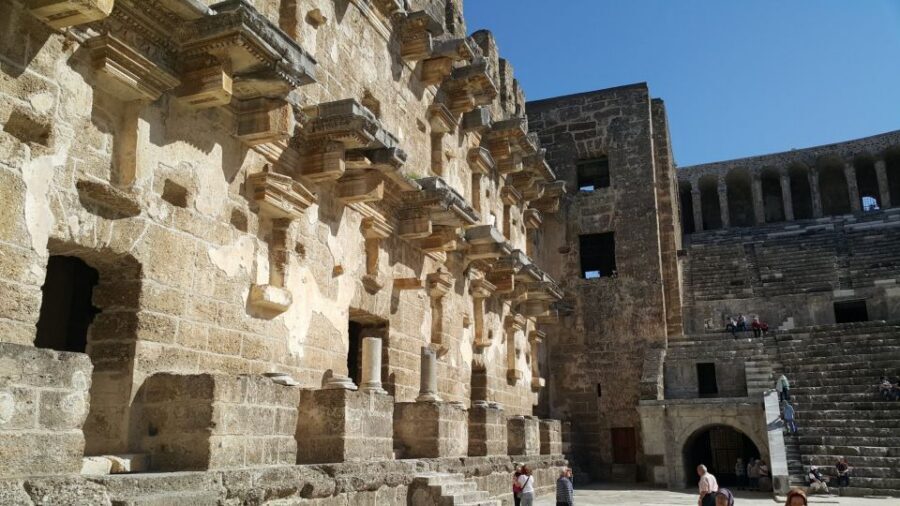
Aspendos is the kind of Roman site that makes you pause and look up. The amphitheater dates to 155 and was built for about 7,000 spectators, and it’s still one of Turkey’s best-preserved examples. That preservation matters because you can actually see how the structure was designed to work: the seating shape, the stone arrangement, and the way the space reads as a performance venue rather than a museum ruin.
What I like most is that you’re not just staring at old architecture. Aspendos is still a living cultural space. The site hosts performances and events such as the annual Aspendos International Opera and Ballet Festival, and it can accommodate crowds today (the capacity figures are far beyond the original build). In other words, you get the rare experience of seeing ancient public entertainment that never fully disappeared.
If you’re the type who usually rushes through ruins, this is a great day to slow down. Your guide’s job here isn’t just to point out stones. It’s to connect what you’re seeing to Pamphylia’s role as a major cultural and economic center. That background helps the amphitheater feel like it belonged to a real civic world, not just to an imaginary past.
Other Manavgat River and waterfall tours from Alanya

Entering Aspendos: Roman theater, built to be heard
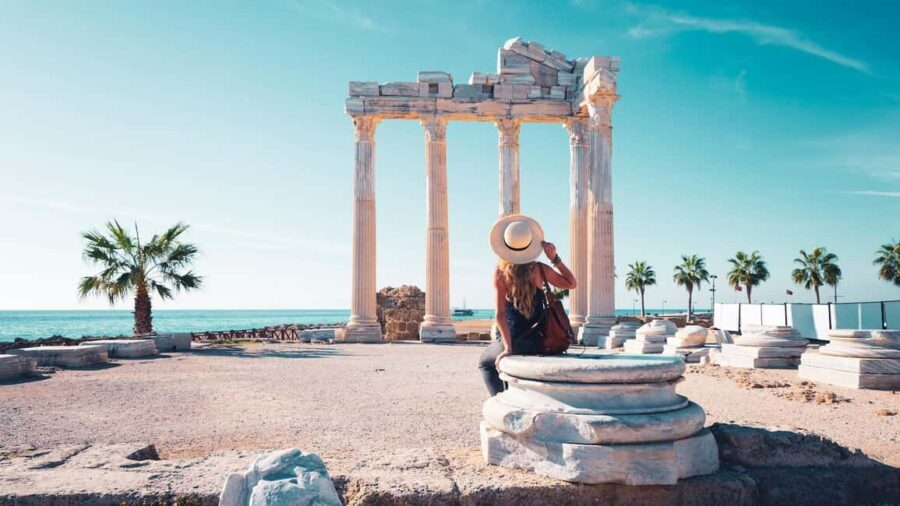
When you arrive, you’ll be walking into one of Turkey’s most impressive theatre spaces. The amphitheater’s reputation is earned because so many structural elements survive in good condition, so it’s easier to understand how the audience once moved and how the stage area functioned.
Here’s how to make the most of it during your visit:
- Treat it like a viewpoint. Move around enough to understand the slope and sightlines, not just the front facade.
- Look for the “work” in the stone. The layout isn’t decorative only; it’s built for crowds and for performances.
- Plan for sunlight. You’ll spend real time outdoors, and the day runs long.
One note from experience-based advice: the terrain and surfaces in ancient areas can be hard going. In a perfect world, you’d have grippy soles and you’d move carefully. So go with comfortable, supportive shoes, and don’t count on flat ground.
The Side connection after lunch: temples, harbors, and Roman streets
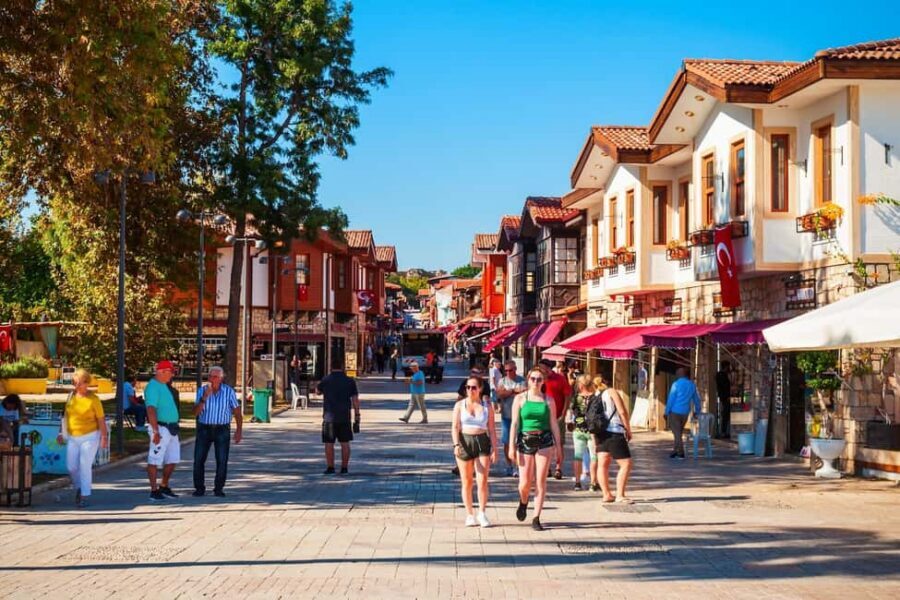
After Aspendos, the day shifts from theatre to a peninsula city with a different rhythm. Side sits on a coastal stretch, and it’s the kind of place where ruins feel integrated with the modern town rather than fenced off in total isolation.
Side is loaded with major Roman-era remnants. You’ll see:
- a Roman amphitheater
- a columned road
- a temple dedicated to Dionysus
- and a museum located in a former Turkish bath
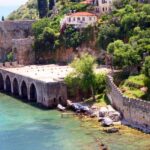
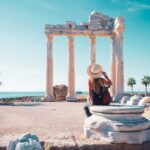
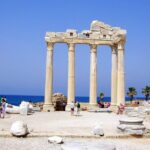
But the real emotional anchor is the Temple of Apollo. This is the site you’ll remember because it’s positioned by the sea on the ancient harbor. Even if you’re not a dedicated history nerd, that setting does something to the experience. You can literally see the coastline relationship the Romans understood, and the sight feels framed by water.
Why the Apollo Temple works so well for first-timers
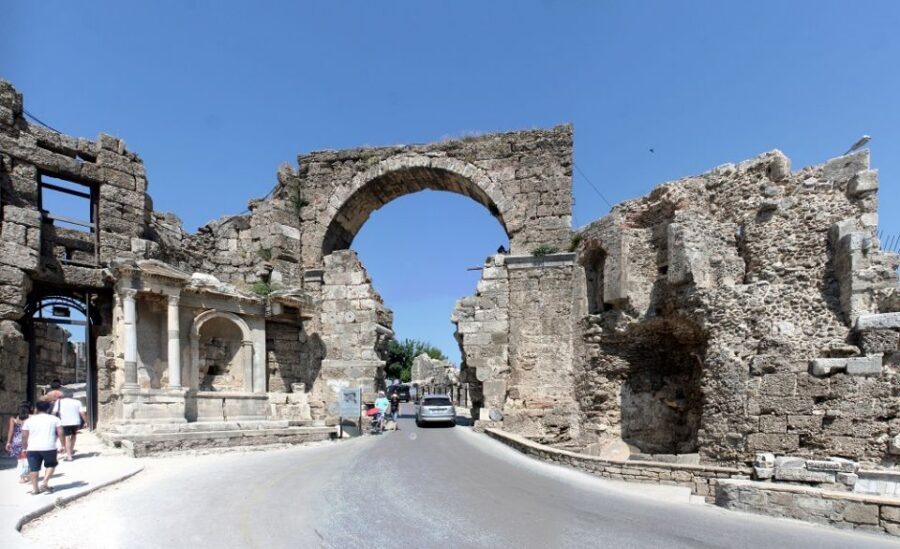
If you only know Side from one image, it’s probably this view. And it’s popular for a reason. Apollo is the cultural and symbolic center of the site, and standing there makes the whole area feel like a working coastal community in antiquity.
I like that the guide doesn’t treat Apollo like a random temple stop. You get the sense that the location mattered: the temple’s placement by the harbor turns it into something more than an artifact. It becomes part of how people oriented themselves to travel, trade, and sea life.
You’ll also benefit from the stop-and-explain approach. In particular, I found that tours are at their best when your guide explains what you’re looking at in plain terms, with some reasoning. One reason this tour earns strong praise is that the guides bring a high level of expertise and can keep history clear, not overwhelming.
What else you’ll see in Side (and how to not rush it)
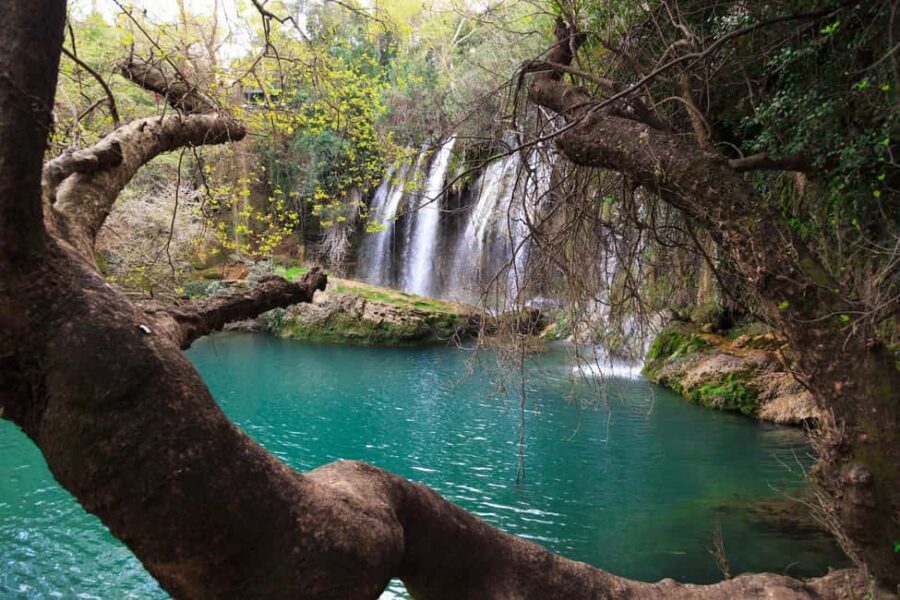
Side isn’t just about Apollo. The remaining ruins help you understand how the city functioned as a Roman settlement.
The columned road gives you a good idea of movement and urban design. Roads like this weren’t just pretty; they were built for daily traffic and civic life. Then there’s the amphitheater, which reminds you that entertainment culture was a major part of public life—similar in idea to Aspendos, but with Side’s own character.
Don’t skip the Dionysus temple stop. It helps balance the Apollo focus with a second layer of myth and religious life. And the museum in the former Turkish bath is a clever transition: it keeps the day from becoming only “outdoor stone.” You’ll get a different kind of atmosphere, tied to a different chapter of local history.
If you’re heat-sensitive, the main strategy is simple: take shade when it appears, and don’t try to sprint from one ruin to the next. You’ll see more when you slow down.
Other Aspendos and Side day trips from Alanya

Manavgat Waterfalls: the cool-air reset on the return trip
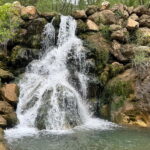
On the way back toward Alanya, the itinerary takes you to Manavgat Waterfalls, and this stop does a job that history stops can’t. It resets your senses.
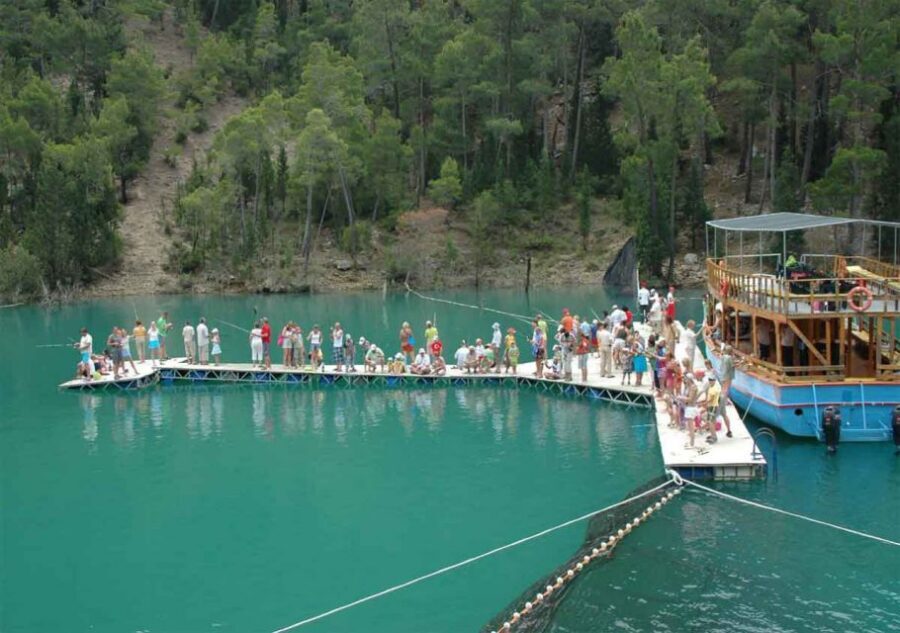
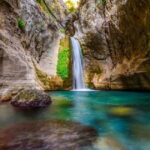
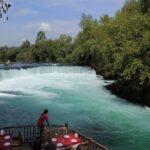
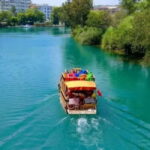
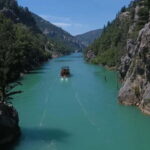
The scene is described as pristine natural beauty with fresh, clean air. You’ll see pine forests around the area, and you’ll get water views that feel like a full breath after hours of stone and sun. The river adds to the realism—there’s mention of trout and turtles, which makes the place feel less like a staged attraction and more like a living ecosystem you’re visiting briefly.
Practical advice: dress for comfort. Water areas can mean damp spots near viewing areas, and you might want shoes that handle uneven ground. If you’re choosing between a fancy sandal and an all-terrain shoe, go for the shoe.
Also, don’t forget sunscreen and sunglasses here. People assume waterfalls mean shade, but the sun can still be strong once you’re walking around.
Lunch and pacing: how an 8-hour day feels in practice
This is an 8-hour tour, which is long enough that you need to think in terms of pacing. The flow is early morning travel, then Aspendos, then lunch, then Side, then the Manavgat Waterfalls stop before heading back.
Lunch is included, which is a real value point on a day like this. When you’re moving through major stops, paying for meals separately can add up fast. The included lunch also helps you avoid the common travel problem where “lunch” becomes a snack you rush through in line. Here, lunch is part of the day design.
The main tradeoff is time in the sun. You’ll be outdoors at multiple points, and Side plus Aspendos can mean a lot of standing and walking. If you go, treat it like a full summer outing: water, hat, and sunscreen are not optional extras.
Price and value: what $40 really buys you
At about $40 per person, this tour can be good value, especially because it includes more than just a driver. You get:
- hotel pick-up and drop-off in Alanya areas like Mahmutlar, Oba, Konakli, Turkler, Incekum, and Okurcalar
- a professional live guide in English
- lunch included
- skip-the-ticket-line benefit
What’s not included is also important for your budget. Entrance fees for Aspendos and Manavgat Waterfalls are extra, and drinks aren’t included. So the price is a base cost, not a fully packaged “all-in” day.
Still, the math usually works if you consider the time and transport involved. You’re bundling three major destinations into one guided circuit, with lunch and pickup taken care of. If you were to piece it together yourself—transport, tickets, and guide support—the convenience premium of a group tour becomes easier to justify.
Tour style: private group, English guide, and one language reality check
This is a private group tour, which typically means you’re not stuck waiting behind a huge crowd. You’ll generally get a smoother pace and more direct attention from the guide.
The guide is listed as English, and that matters if you want clear explanations while you’re walking between ruins. This is one of the reasons the tour is so praised: the explanations are detailed, and the history feels connected rather than dumped on you.
One practical caution from real-world experience: if you booked with a language expectation beyond English, don’t assume it will always match. There was at least one account of a guide arrangement where the language didn’t match what someone expected. If language is a deal-breaker, it’s smart to confirm directly before you go.
What to bring so the day stays comfortable
This is the kind of trip where your comfort gear quietly makes the difference between enjoying ruins and just surviving them. At minimum, pack:
- comfortable shoes
- sunglasses
- sun hat
- sunscreen
And I’d add one more thing based on what the experience demands: bring water. You’ll be outside for long stretches, and in hot sun, hydration isn’t a luxury.
Who should book this tour
I think this tour is a strong fit if you want:
- major Roman and Greek-influenced sights in one day (Aspendos and Side)
- a guided experience that explains what you’re seeing in plain language
- a nature stop that cools you down afterward (Manavgat Waterfalls)
- a day plan that reduces planning stress with pickup and drop-off handled
It’s also a good choice for first-timers to Alanya who want a structured route rather than figuring out transit between three separate areas.
If you dislike walking on uneven ground or you need lots of downtime, you might find the long outdoor day challenging. But going with solid shoes and a slower pace can make it very doable.
Should you book the Alanya: Aspendos, Manavgat Waterfalls and Side Tour?
Yes, if you want maximum “wow per hour” without cramming your own logistics. Aspendos is the headline for a reason, and the Temple of Apollo by the sea is the kind of stop that turns history into atmosphere. Add Manavgat Waterfalls for a reset, and you get a day that doesn’t feel like one long museum visit.
I’d say book it if you’re comfortable with a long day in the sun and you’re willing to bring the basics—good shoes, water, and sun protection. If those parts sound annoying, then shorten your expectations or choose a lighter itinerary. But if you’re in the mood for Roman scale, coastal ruins, and a real nature break, this is a very solid pick for the money.
FAQ
How long is the tour?
The tour duration is 8 hours.
What does the price include?
Lunch, a professional guide, and hotel pick-up and drop-off are included.
Are entrance fees included for Aspendos and Manavgat Waterfalls?
No. Entrance fees for Aspendos and the Manavgat Waterfall are not included.
What about drinks during the tour?
Drinks are not included.
Where is the hotel pick-up available?
Pick-up is available at hotels in Alanya in areas including Mahmutlar, Oba, Konakli, Turkler, Incekum, and Okurcalar.
What language is the tour guide?
The live tour guide is available in English.